

Mouth breathing in babies and toddlers is not usually the normal breathing pattern when a child is otherwise well. Short-term mouth breathing can happen during a cold or blocked nose, but persistent open-mouth posture, noisy sleep, feeding difficulty, snoring, or restless sleep should be checked by a health professional. If the pattern continues beyond illness or comes with sleep or feeding concerns, it is sensible to seek an assessment rather than wait and see.
By Caring 4 Smiles clinical content team. Clinically reviewed by a registered oral health clinician at Caring 4 Smiles, Auckland.
If you are just starting to learn about this topic, our Complete Guide to Children’s Mouth Breathing Treatment in Auckland gives a broader overview. You can also read What Is Mouth Breathing in Children, explore Causes of Mouth Breathing in Children, or use our Signs of Mouth Breathing checklist if you want a simple parent-friendly starting point.
What mouth breathing in babies and toddlers looks like
Mouth breathing in babies and toddlers means a child is regularly breathing through the mouth instead of the nose, either while awake, asleep, or both. Babies, infants, and toddlers can briefly switch to mouth breathing when they are congested, upset, crying, or recovering from a cold. That temporary pattern is different from a repeated habit or ongoing breathing pattern seen when the child is otherwise well.
In parent-friendly terms, the signs often look less like one dramatic symptom and more like a cluster of small things that keep showing up. A baby or toddler may rest with lips apart, sleep with the mouth open, snore, drool heavily, wake often, seem unsettled, or have dry lips and a dry mouth. Some children also have trouble feeding comfortably, especially if they seem to pause often, unlatch, or struggle to coordinate sucking and breathing.
This does not automatically mean there is a serious airway disorder. It does mean the pattern is worth noticing. Persistent mouth breathing can be linked with nasal blockage, enlarged adenoids or tonsils, allergies, oral habits, or oral-development factors, and sometimes more than one factor is involved.
For families in Auckland who want guidance on oral development as part of the bigger picture, Caring 4 Smiles can assess dental and mouth-development concerns and help you understand whether a GP, paediatrician, ENT, or another provider should also be involved. You can learn more about our approach on our homepage or contact us to arrange an appointment.
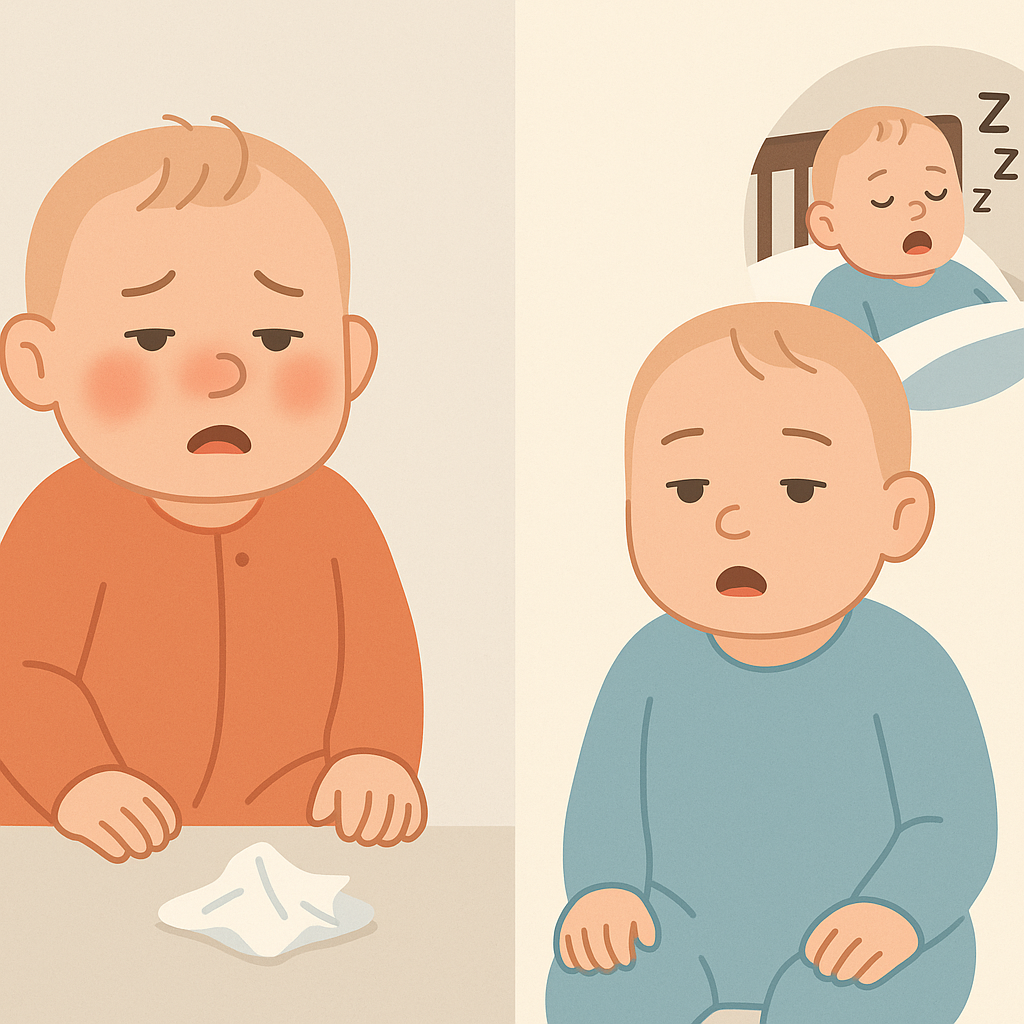
Normal congestion vs persistent mouth breathing: how parents can tell the difference
One of the most common questions parents ask is whether their child is mouth breathing because of a blocked nose right now, or whether it is becoming an ongoing pattern. A simple way to think about it is this: temporary congestion usually improves as the illness improves, while persistent mouth breathing tends to keep showing up even when the child seems otherwise well.
| What to compare | Short-term congestion or cold | Persistent mouth breathing pattern |
|---|---|---|
| Duration | Usually limited to the period of illness or nasal blockage | Continues beyond the cold, or keeps returning over weeks or months |
| Daytime signs | More obvious when the nose is stuffy; improves as congestion clears | Open-mouth posture when calm, lips often apart, dry lips or mouth even when well |
| Night-time signs | May sleep noisily for a few nights during illness | Regular snoring, restless sleep, mouth-open sleep, frequent waking, noisy breathing most nights |
| Feeding impact | Temporary difficulty during a blocked-nose illness | Repeated pauses, trouble latching, tiring during feeds, messy chewing or swallowing concerns |
| Lips together comfortably | Usually easier once the nose is clear | Child often seems unable or uncomfortable keeping lips together at rest |
| When to seek help | If symptoms are severe, prolonged, or affecting breathing, sleep, or feeding | If the pattern persists beyond illness or comes with snoring, pauses in breathing, poor sleep, or feeding concerns |
A useful home observation is to notice your child when they are calm and not crying, not running around, and not unwell. Are the lips usually together, or is the mouth often hanging open? Do sleep symptoms settle after a cold passes, or do they continue? Those patterns can help your clinician decide what to look at next.
If you want a deeper explanation of contributing factors, see our page on Causes of Mouth Breathing in Children.
Age-specific signs to watch for in infants, 1-year-olds, and toddlers
Infants are babies under 12 months. Toddlers are usually children aged 1 to 3 years. The signs of mouth breathing can look a little different at each stage, so it helps to watch for age-specific patterns rather than one single symptom.
Infants: early signs to notice
- Open-mouth posture when calm or asleep, not just when crying
- Noisy breathing during sleep or feeds
- Trouble latching or staying latched
- Frequent pauses during feeding, as if needing to stop and catch breath
- Feeding that seems tiring or unusually slow
- Restless sleep or frequent waking
- Dry lips or a dry mouth
In young babies, feeding and breathing are closely linked. If a baby cannot breathe comfortably through the nose, feeding may become harder because they need to pause more often. That does not tell you the cause on its own, but it is a good reason to mention the pattern to your GP, child health nurse, paediatrician, or dentist familiar with oral development.
Around 1 year old: signs that may become more noticeable
- Mouth-open sleep even when the child is not sick
- Snoring or noisy breathing on many nights
- Drooling beyond what seems typical for teething alone
- Dry mouth on waking
- Restless sleep, frequent position changes, or waking unsettled
- Crankiness or tiredness during the day
- Difficulty chewing textured foods comfortably
At this age, parents often first notice the sleep side of the picture. A child may seem to sleep for enough hours but still wake often, toss around, or seem less settled than expected.
Toddlers: signs that may affect sleep, behaviour, and oral development
- Persistent open-mouth posture during the day
- Snoring most nights
- Breathing pauses, gasps, or choking sounds during sleep
- Heavy drooling or dry lips
- Restless sleep or unusual sleep positions
- Daytime fatigue, irritability, or behavioural changes
- Speech, chewing, or swallowing concerns
- Concerns about bite, jaw growth, or oral habits
Not every toddler with these signs has a serious problem, and not every child with mouth breathing will have all of them. What matters most is the pattern, how long it has been going on, and whether it is affecting sleep, feeding, comfort, or development.
Common causes of mouth breathing in little ones
Mouth breathing in babies and toddlers can happen for several reasons. In many children, there is more than one contributing factor. A proper assessment looks at the whole picture rather than assuming a single cause.
Temporary colds, viral illness, or nasal congestion
This is the most common short-term reason. If the nose is blocked, a child may switch to mouth breathing until the congestion settles. In these cases, the pattern should improve as the illness improves.
Allergies or ongoing nasal inflammation
Some children have persistent nasal stuffiness related to allergies or chronic inflammation. Parents may notice rubbing the nose, a constantly blocked-sounding nose, or symptoms that come and go with seasons or environmental triggers. This needs medical assessment rather than guesswork.
Enlarged adenoids or tonsils
Adenoids are lymph tissue high behind the nose. Tonsils sit at the back of the throat. If they are enlarged, they may contribute to noisy breathing, snoring, mouth-open sleep, or sleep-disordered breathing. This is one reason persistent snoring or breathing pauses should not be ignored.
Nasal blockage or structural issues
Sometimes there may be a physical reason the child is not breathing easily through the nose. Examples can include swelling, chronic blockage, or less commonly structural differences. These possibilities are assessed by the appropriate medical professional, often a GP, paediatrician, or ENT specialist.
Oral habits and muscle patterns
In some children, open-mouth posture becomes part of an ongoing oral habit or muscle pattern. Dummy use, thumb sucking, tongue posture, and lip posture may all be relevant in some cases. This does not mean those habits are always the cause, but they can be part of the picture.
Bite and jaw development factors
Oral development refers to how the jaws, bite, teeth, tongue posture, and surrounding muscles are growing and working together. Some children with persistent mouth breathing also have oral-development concerns that a dentist may notice. A dentist familiar with growth, bite development, and myofunctional concerns can help identify whether the mouth and jaw side of the picture needs attention.
If relevant for your child, our team can advise whether a review of oral development is appropriate and whether pages such as our preventive dental care information or team page may help you understand who you would be seeing. If your child is older and a clinician feels it is suitable, you can also ask whether our Myobrace page is relevant.
Importantly, mouth breathing does not diagnose enlarged adenoids, sleep apnoea, or any other airway condition by itself. It is a sign that may point to the need for further assessment.
When parents should seek help and who to see
You do not need to panic if your baby or toddler mouth breathes during a cold. You should seek help if the pattern is persistent, happens when your child is otherwise well, or comes with symptoms affecting sleep, feeding, or development.
Red flags that deserve prompt attention
- Mouth breathing that continues beyond a cold or blocked-nose illness
- Snoring most nights
- Pauses in breathing, gasping, choking sounds, or laboured breathing during sleep
- Feeding struggles, poor latch, frequent pauses during feeds, or tiring easily while feeding
- Restless sleep, frequent waking, or unusual sleep positions
- Daytime fatigue, irritability, or behaviour changes
- Dry mouth, dry lips, or persistent drooling
- Concerns about speech, chewing, swallowing, bite, or jaw development
- Poor growth, poor weight gain, or any concern your child is working hard to breathe
Who should you see?
Start with your GP or paediatrician if your child has persistent symptoms, feeding concerns, snoring, or possible breathing pauses. They can assess general health, nasal congestion, allergies, infection, and whether referral is needed.
An ENT specialist may be involved if enlarged adenoids, enlarged tonsils, chronic nasal blockage, or sleep-disordered breathing is suspected.
A dentist familiar with oral development and myofunctional concerns can help assess the mouth, bite, jaw growth, oral habits, and whether the way the lips, tongue, and jaws are developing may be part of the picture. At Caring 4 Smiles, we can assess these oral-development concerns, explain what we are seeing in plain language, and guide you on sensible next steps. If you would like to meet the team first, visit our team page.
Sleep-disordered breathing is a broad term for breathing problems during sleep, ranging from snoring to more significant obstruction. Because babies and toddlers are still growing quickly, it is worth getting persistent symptoms checked rather than assuming they will simply outgrow them.
According to the American Academy of Pediatrics, children who frequently snore should be evaluated for obstructive sleep apnoea. The NHS also advises medical review for noisy breathing, feeding difficulty, or pauses in breathing in babies and young children. These sources support a cautious, parent-safe approach: observe carefully, but do not ignore repeated symptoms.
What parents can do next
If you are worried about mouth breathing in your baby or toddler, the most helpful next step is calm observation followed by the right assessment if the pattern persists.
- Notice whether the mouth is open during sleep, during calm daytime moments, or only when the nose is blocked
- Track how long the pattern has been happening
- Write down sleep signs such as snoring, restlessness, waking, or breathing pauses
- Note feeding signs such as poor latch, frequent pauses, tiring during feeds, or chewing difficulty
- Take a short video of sleep or feeding if your clinician recommends it and if it is safe to do so
- Avoid self-diagnosing the cause based on one symptom alone
- Arrange professional assessment if symptoms continue beyond illness or if red flags are present
If you would like a gentle, family-friendly review of your child’s oral development and mouth breathing concerns, you can book a children’s mouth breathing consultation with Caring 4 Smiles in Auckland. We will talk through what you have noticed, assess the dental and oral-development side, and help you understand whether monitoring, preventive support, or referral to a GP, paediatrician, or ENT is the best next step.
Sources: American Academy of Pediatrics clinical guidance on snoring and obstructive sleep apnoea in children; NHS guidance on breathing problems in babies and children; peer-reviewed reviews on paediatric mouth breathing, adenoids, tonsils, and oral development.
Frequently asked questions
Is mouth breathing normal in babies and toddlers?
Brief mouth breathing can be normal during a cold or when the nose is blocked. Persistent mouth breathing when a baby or toddler is otherwise well is not usually considered the normal resting pattern and should be assessed if it continues or affects sleep or feeding.
How can I tell if my baby is mouth breathing because of congestion or because it’s becoming a habit?
If it is due to congestion, it should improve as the cold or blocked nose improves. If your child still sleeps with the mouth open, has lips apart during calm daytime moments, snores regularly, or has ongoing feeding or sleep issues even when well, it may be a persistent pattern worth checking.
Can mouth breathing affect my toddler’s sleep, feeding, or development?
It can. Some toddlers with persistent mouth breathing also have restless sleep, snoring, dry mouth, feeding or chewing difficulties, daytime tiredness, or oral-development concerns. Mouth breathing does not prove the cause, but it is a sign that can justify further assessment.
When should I seek help for mouth breathing in a baby or toddler?
Seek help if mouth breathing continues beyond illness, if your child snores most nights, has pauses in breathing, struggles with feeding, sleeps poorly, seems unusually tired or irritable, or if you are concerned about speech, bite, or jaw development. Start with your GP, paediatrician, or a dentist familiar with oral development, depending on the symptoms.